On Labor Day we celebrate the achievements of America’s labor movement and recognize everything workers have contributed to this country. However, when it comes to gender equity in the workplace, there are still so many improvements to make.
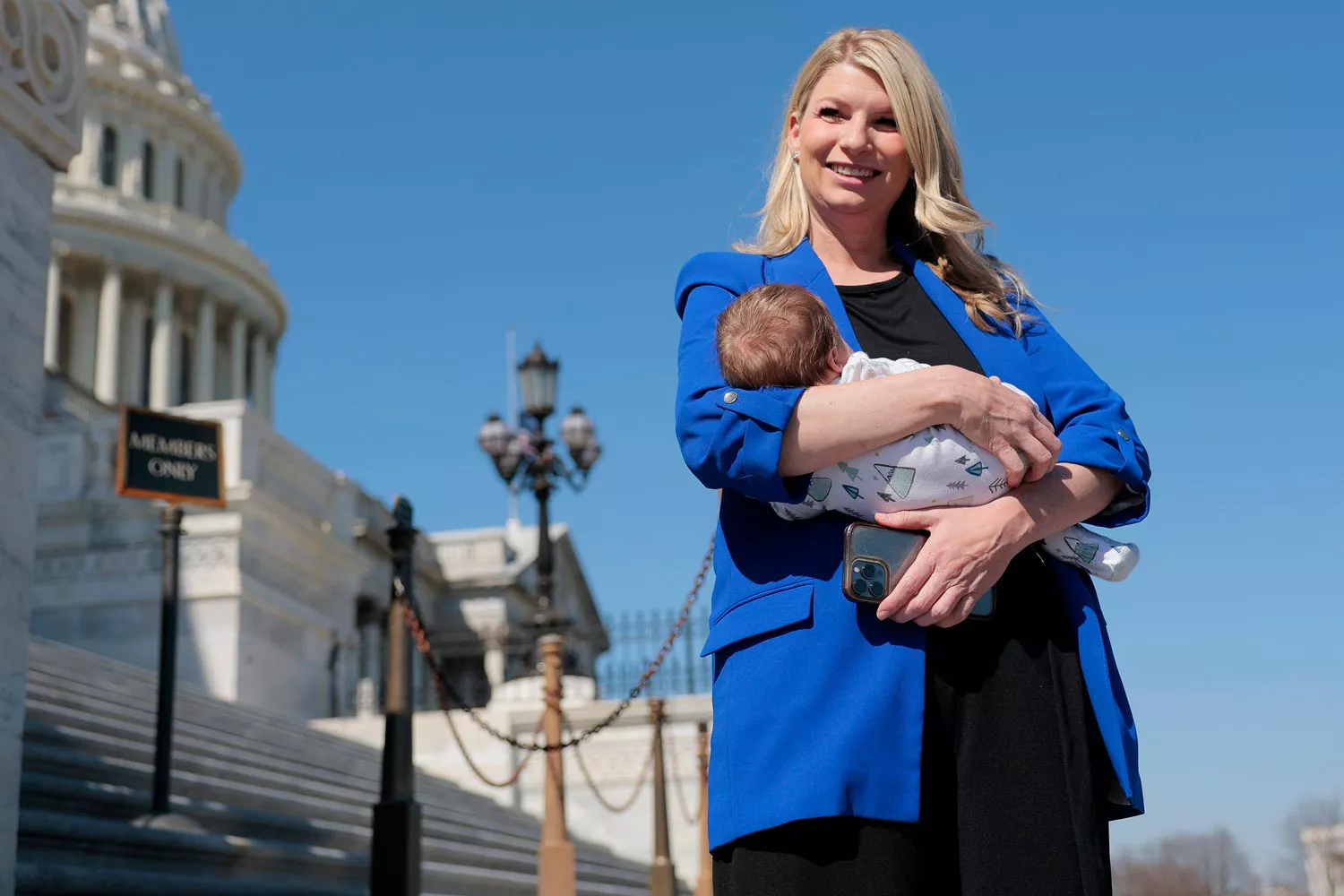
In April 2025, Representative Brittany Pettersen held her 9-week-old son on the floor of the House as she voted in support of House Resolution 23 – Proxy Voting for New Parents. This resolution would ensure that new parents could vote by proxy up to 12 weeks after the birth of a child. Unfortunately, the Proxy Voting for New Parents Resolution failed in the House. This prevented future parents from having the ability to vote remotely after having a child, and if they want to vote, it forces the representative to bring their child with them or find alternative care for their child during that time. At times, this even includes needing to bring a newborn child on planes and traveling across the country. While Rep. Pettersen may be able to take time off to spend with her son, that would prevent her from voting for those she represents. Rep. Pettersen, and other new parents, should receive accommodations to vote for those they represent. Unfortunately, this is only one example in which there is a lack of equity for women and new parents in politics and the workplace.
81 percent of Americans believe that one reason more men are in office than women is because women must do more to prove themselves. Traditional gender socialization could be a reason why women may have less political ambition than men, while traditional family role orientations show women and men the differences between their roles from a very young age into adulthood. Society expects women to have more household responsibilities than men, making this a second job. Different careers also have different expectations of what gender should have a specific role. Masculinized ethos are certain categories of jobs or positions that have traditionally been meant for men, even if these ideas are not the same anymore. Even when there is pay equity within a specific job, traditionally female jobs are paid less than traditionally male jobs. Women disproportionately enter lower-paid, female-dominated occupations, which are shaped by societal norms and other expectations outside of women’s control.
Pay Equity
The Equal Pay Act of 1963 was designed to end gender-based pay discrimination, however, the limited enforcement of this law prevents this goal from being met. In 2009, the Lilly Ledbetter Fair Pay Act restored the rights of employees who suffered pay discrimination based on sex by amending the statute of limitations. Unfortunately, this was not enough. On average, American women today make about 78 cents for every dollar a man makes, and this disparity is even greater for women of color. The Paycheck Fairness Act (H.R.17/S. 1115) would strengthen the Equal Pay Act and allow women to receive the same remedies in court for pay discrimination as those who are subjected to discrimination based on race or national origin.
Paid Leave
In the United States, 44 percent of workers do not qualify for benefits through the Family and Medical Leave Act (FMLA), which excludes smaller employers and many part time workers. While nine states and the District of Columbia have established paid family leave programs, this is not enough to protect the physical health, mental wellbeing, and stability of new parents and families. The FAMILY Act (S. 1714/H.R. 3481 in the 118th Congress) would provide workers with 12 weeks of partial paid leave so they can take care of themselves or a family member. Right now, only about 20 percent of workers in the U.S. have access to paid family leave benefits through their employers. The FAMILY Act would ensure everyone would be eligible, regardless of the size of their company or their industry.
Ways to Take Action
WRJ provides many tools and resources to learn more about pay equity to educate and then take action. Implicit bias is an unconscious bias against a specific race, gender, or sexuality. By learning and becoming aware of what biases some may have unconsciously, they can make conscious decisions about working towards pay equity. WRJ has also worked with the Women’s Rabbinic Network (WRN) and other partners to create the Reform Pay Equity Initiative. This initiative is meant to address the gender pay gap within the Reform Movement. With it being the ten-year anniversary of the Reform Pay Equity Initiative, it is important to continue to learn and ensure that every workplace, within and outside of the Reform Movement, is working towards pay equity.
Reach out to your members of Congress!
- Urge Congress to End Pay Discrimination – The Paycheck Fairness Act (H.R. 17/S. 1115) would help secure pay equity by closing loopholes in the Equal Pay Act of 1963. Urge your members of Congress to co-sponsor the Paycheck Fairness Act.
- Urge Congress to Support Paid Family and Medical Leave – The FAMILY Act (S. 1714/H.R. 3481 in the 118th Congress) would provide workers with 12 weeks of partial paid leave to take care of themselves or a family member. Urge your members of Congress to support the FAMILY Act when it is reintroduced in the 119th Congress to provide paid family and medical leave for all workers in America.
About the Author

Search
Related Posts

World Zionist Congress 2025: A Path of Collaboration

Finding Leadership in Sisterhood, Spirituality, and Social Justice