This week’s Torah portion is Toldot. Toldot tells the story of Rebecca and Isaac, and their twin sons, Esau and Jacob. The opening words of the parasha are profound — Rebecca is having a difficult twin pregnancy, and we get this fulsome description of her experience. And then, Rebecca speaks directly to God - Im Ken Lama zeh anochi?! If this is so - if I’m feeling this way - why do I exist?! Rebecca speaks directly to God, and God responds: two people, two nations are struggling in your womb. (Genesis 25)
This moment sets the scene for the portion - struggle. The conflict between Esau and Jacob, their fraught relationship - this is one way to behave.
Surprisingly, Isaac and a pretty evil king, Abimelech, offer another model later in the parasha. After initially taking issue with each other, Isaac’s success gains Abimelech’s respect.
Isaac even says to him — “why are you approaching me peacefully now - you’ve been so hostile in the past?”
Abimelech says — “we see now plainly that God is with you, and we thought, let there be a sworn treaty between our two parties - let there be a pact. A covenant. A brit.” (Genesis 26:27-28)
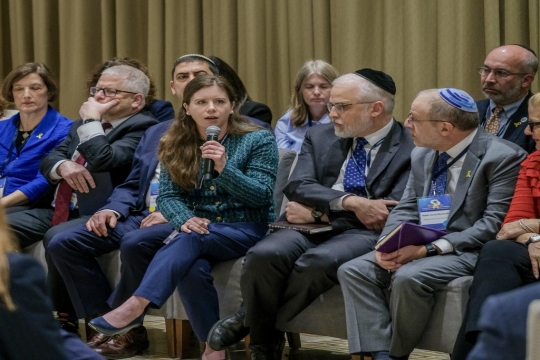
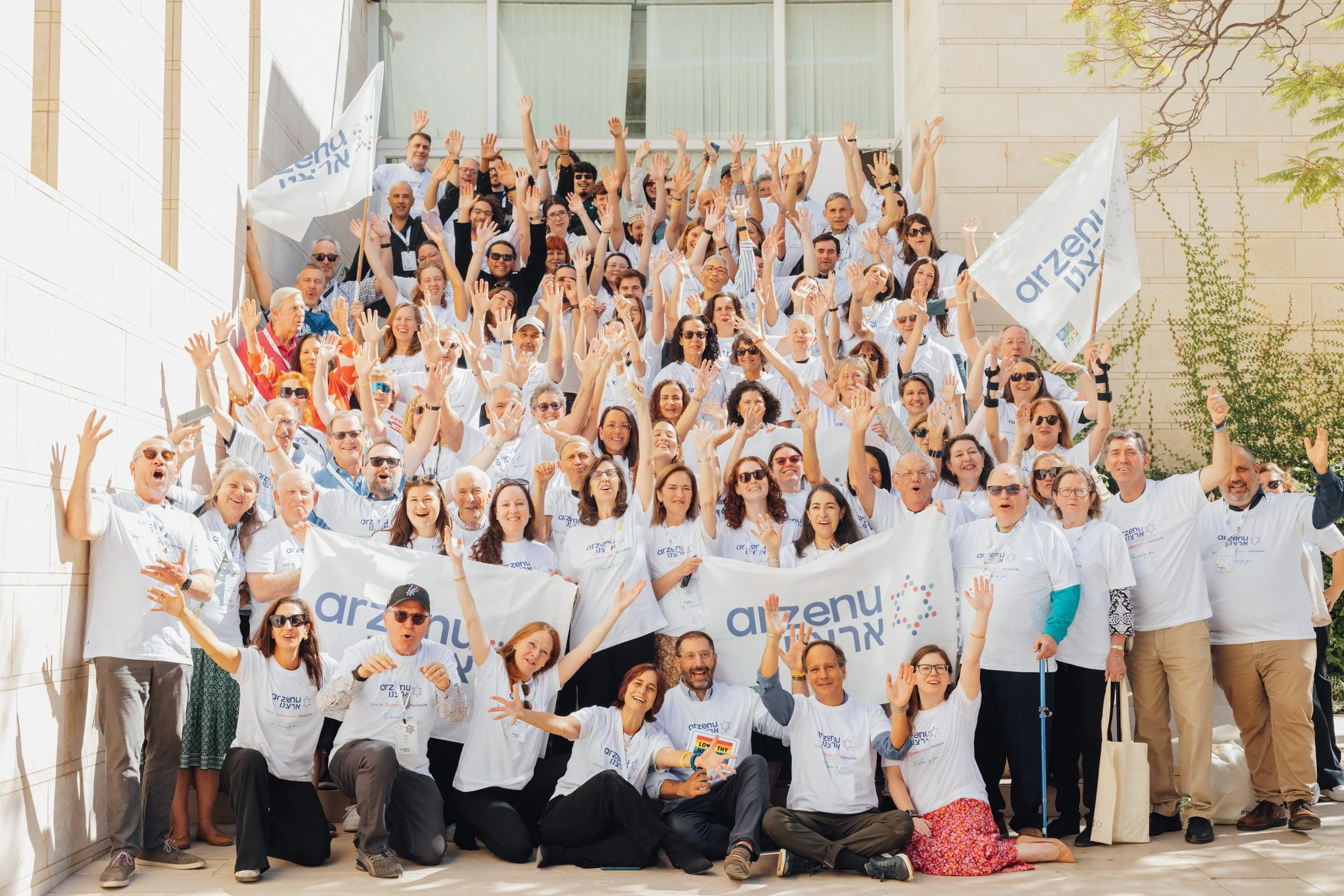
A covenant is built on mutual accountability and trust. At the World Zionist Congress, we could have behaved like Jacob and Esau, dealing in scarcity — the mentality of “if you have more, I have less” — wrestling and fighting, focusing only on our own Arzenu slate or what we wanted and needed. Instead, we worked collaboratively and across lines of difference- and that is how we emerged powerful and successful.
Throughout our committee meetings and policy negotiations, our Reform movement cohort coordinated our tactics with trust and respect. We came from all over North America and the world, with a wide range of perspectives on the issues, and we stuck together. We worked in lock-step with the Conservative Movement delegates, too, sitting side by side, passing notes through long, hot hours in a committee room that we weren’t permitted to leave - or we’d forfeit our vote. At one point, I even made a deal with a leader of Eretz HaKodesh, a party opposed to nearly all of our positions and values.
In Jerusalem, as a delegation- we chose the path of trust, the path of covenant, the path of collaboration, the path of brit - and this was the fuel for our power and success. This is what it means to be a movement - to be the Reform Movement - to work together, to build power, to include, to lead from a place of abundance, to lift each other up.
About the Author
Search
Related Posts
Peace Upon Israel
Returning to a New Israel